

Canadian Bacon or Ham: Which One Reigns Supreme

Canadian bacon has become a beloved breakfast option for many food enthusiasts around the world.
Slightly sweet, lean meat adds a delightful flavor to eggs benedict and various morning dishes.
Unlike traditional bacon, the Canadian variety comes from pork loin rather than belly cuts, giving it a distinctive texture and taste profile.
Many home cooks appreciate its lower fat content while still delivering that satisfying meaty experience.
Canadian bacon often appears alongside other breakfast favorites on diner menus across North America.
The mild flavor makes it an excellent choice for people who find regular bacon too salty or overpowering.
After learning about these tasty differences, you might never view breakfast meats the same way again.
Exploring Canada Bacon: Locals’ Favorite Breakfast Meat
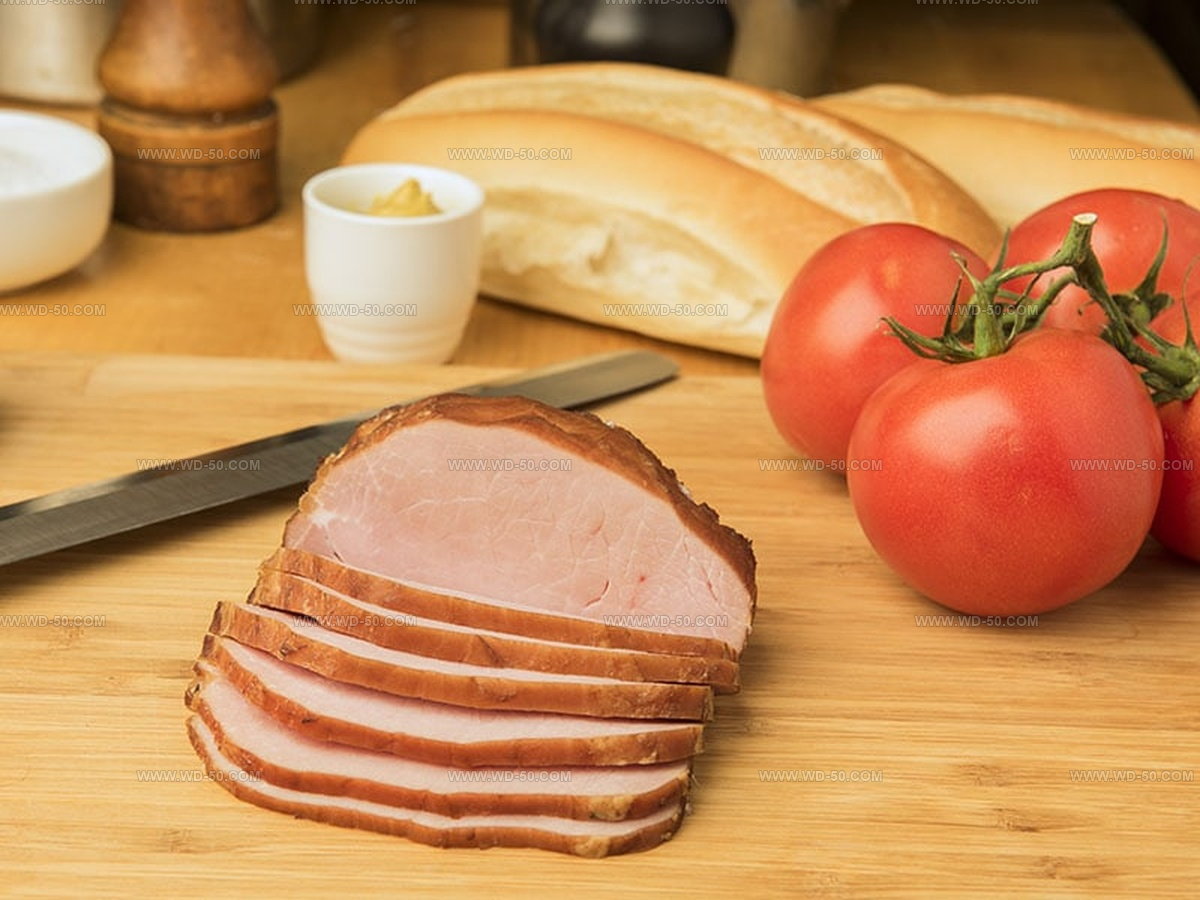
Bacon stands as a true hallmark of Canadian cuisine, with several names like Canadian bacon, Canadian-style bacon, or back bacon referring to this beloved meat.
Canadian bacon is a type of back bacon that is leaner and more tender than traditional American bacon, made from the pork loin rather than the belly.
It is typically cured, smoked, and fully cooked, giving it a mild, slightly sweet flavor and a firm, ham-like texture. Often sliced into round medallions, Canadian bacon is commonly used in breakfast dishes like eggs Benedict, breakfast sandwiches, and pizzas.
Unlike streaky bacon, it has less fat and a meatier taste, making it a popular choice for those seeking a leaner alternative to regular bacon.
Canadian bacon originated from traditional British back bacon, which is made from the pork loin.
When British settlers came to Canada, they brought this style of curing and preparing pork loin with them.
Understanding the Traditional Ham
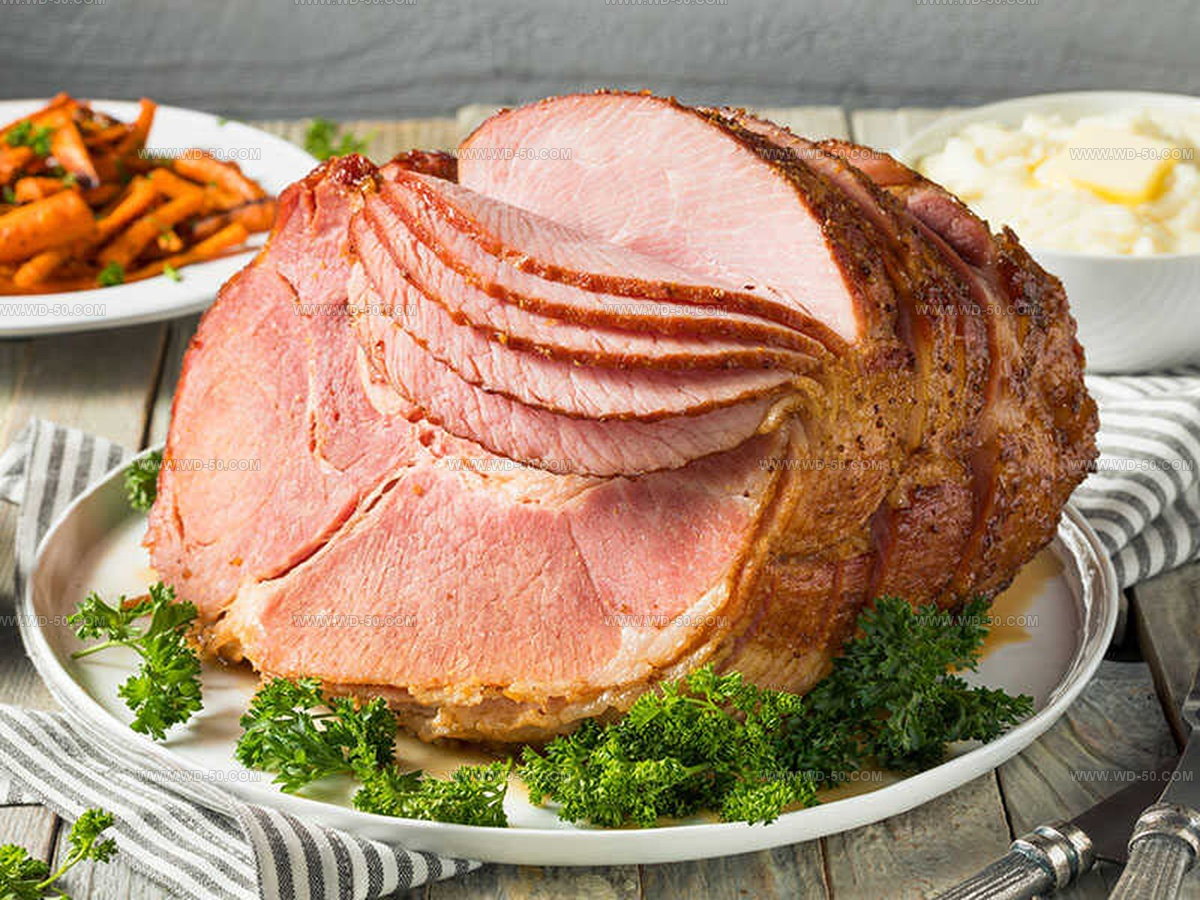
Ham is a cured pork product made from the hind leg of a pig, known for its rich, savory flavor and versatile use in cooking.
Its origins date back thousands of years, with evidence of ham curing found in ancient civilizations such as the Romans and Chinese, who developed early methods of preserving meat through salting, smoking, and drying.
This preservation allowed ham to be stored for long periods, making it a valuable food source. Over time, different cultures refined ham production, leading to a variety of regional styles and flavors, from the sweet, smoked hams of the American South to the dry-cured hams of Spain and Italy.
Today, ham is commonly served in thick or thin slices based on the dish and personal preference. It pairs well with many popular foods like sandwiches, eggs, and other tasty ingredients.
Comparing Canadian Bacon and Ham
Canadian bacon and ham can be confusing for many people due to their similar appearance, but these meats have several key differences worth knowing.
| Category | Canadian Bacon | Ham |
| Cut | From pork loin (back of pig). | From back legs, butt, shank, or thigh. |
| Shape | Round slices, thick or thin; sometimes cornmeal coated. | Various shapes: cubes, slabs, slices, whole, or spiral-sliced. |
| When to Eat | Commonly breakfast or brunch. | Typically lunch or dinner. |
| How to Eat | Usually cooked (grilled, baked, sautéed); popular in breakfast dishes like Eggs Benedict. | Ready to eat from package; used in sandwiches, casseroles, antipasto, and leftovers. |
| Taste | Lean, tender, mildly sweet, less salty than regular bacon. | Varies by type; generally sweet, smoky, saltier, and chewier. |
| Processing | Brined with salt and sometimes maple syrup; often smoked or cured. | Traditionally cured or smoked; brines include vinegar, spices, and sweeteners. |
| Nutrition | More protein, slightly more fat; lower calories and cholesterol. | Higher salt and carbs; more vitamin C and calcium. |
Cut
Canadian bacon is made from the pork loin, which is located along the back of the pig. This cut is leaner and more tender compared to other parts of the pig, making Canadian bacon a healthier and less fatty alternative to traditional streaky bacon.
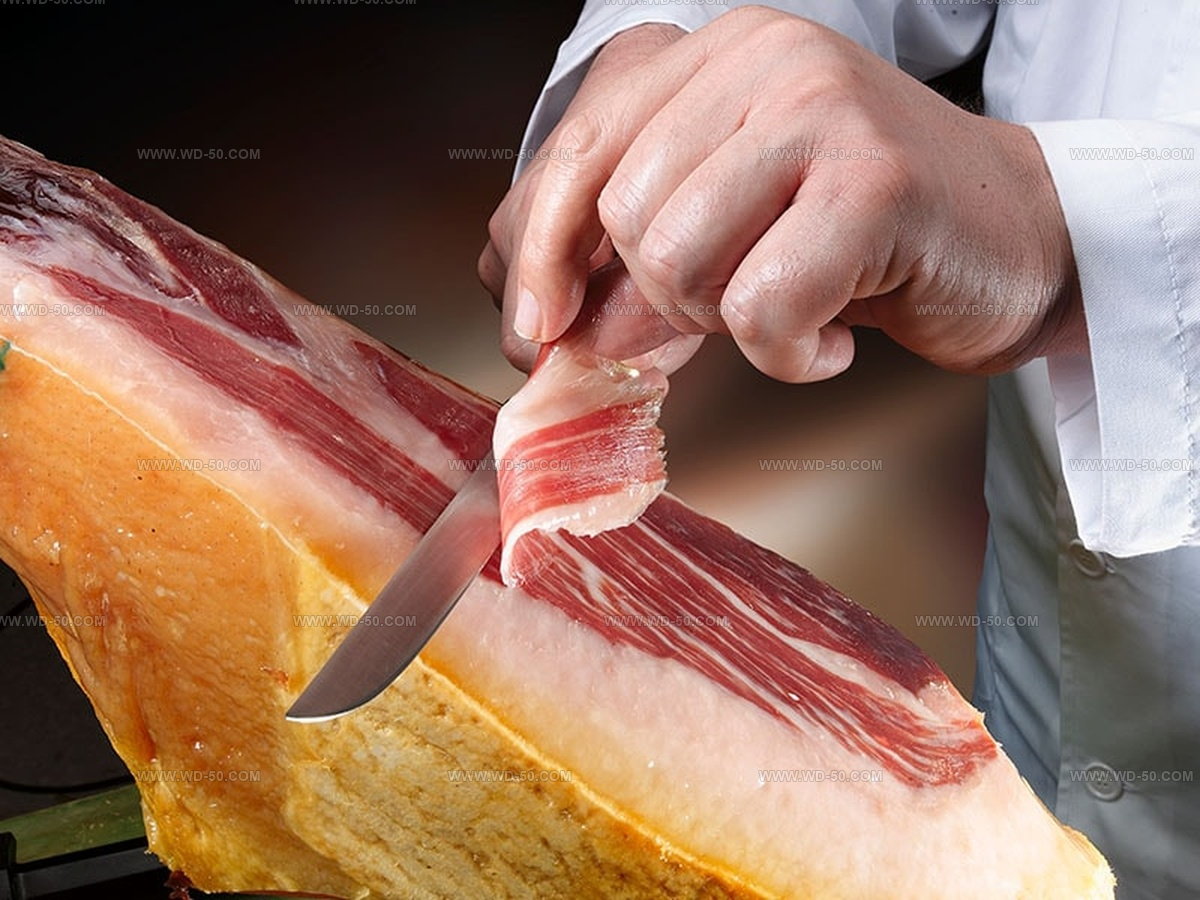
In contrast, ham comes from different parts of the pig’s hindquarters, such as the back legs, butt, shank, or thighs. These cuts tend to have more muscle and connective tissue, contributing to ham’s firmer texture and richer flavor.
The diversity of cuts used for ham also allows for a variety of textures and tastes, from tender to chewy.
Shape
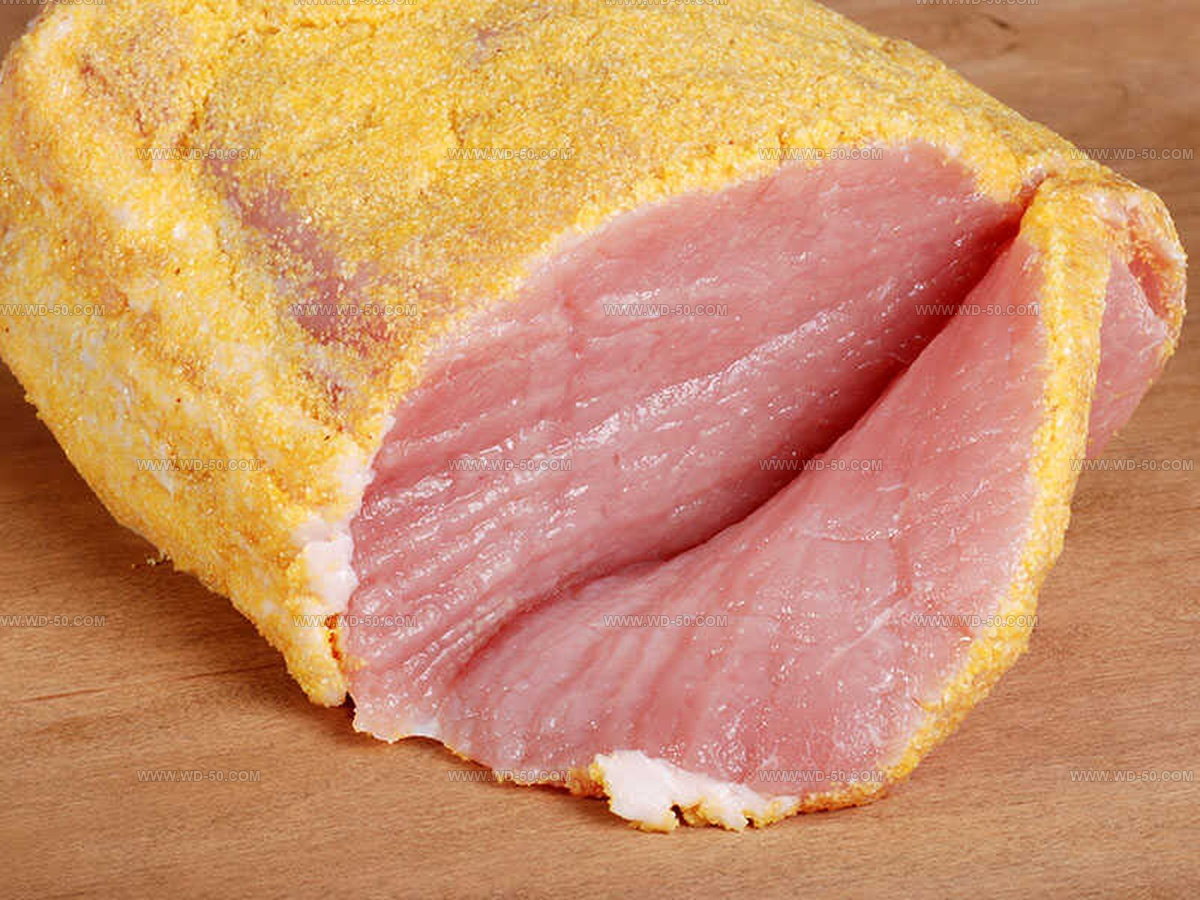
When served, Canadian bacon typically appears as round slices because it is cut from the cylindrical pork loin. These slices can be either thick or thin, depending on preference or the dish being prepared.
A unique variation is cornmeal bacon, where the slices are rolled in cornmeal before cooking, adding a crunchy exterior. On the other hand, ham is more versatile in shape.
It can be presented as thick slabs, thin slices, cubes, or even a whole cured leg. Spiral-sliced ham, a boneless variety, is especially popular for easy serving.
This wide range of shapes makes ham suitable for various recipes and serving styles.
When To Eat

Canadian bacon is most commonly enjoyed during breakfast or brunch. Its lean texture and mild flavor make it an ideal accompaniment to eggs, pancakes, or breakfast sandwiches like the classic Eggs Benedict or Canadian bacon McMuffin.
Meanwhile, ham is generally eaten during lunch or dinner. It’s often the centerpiece of a meal, whether served as a main dish or incorporated into salads, casseroles, and hearty sandwiches.
Although both meats can be eaten at any time, these typical meal pairings reflect their traditional culinary uses.
How To Eat
Canadian bacon is usually cooked before eating to bring out its savory, tender qualities. Common methods include sautéing, grilling, or baking.
It pairs well with eggs, potatoes, salads, pizzas, and frittatas, making it a versatile ingredient for many dishes. In contrast, ham is often fully cooked and cured beforehand, allowing it to be eaten straight from the package without additional cooking.
It shines in sandwiches, antipasto platters, scrambled eggs, and casseroles. Ham’s rich flavor also lends itself well to leftover recipes like bread pudding or ham and cheese pizza, maximizing its use in the kitchen.
Taste
Canadian bacon is known for its lean, tender texture and mildly sweet flavor, which is less salty than traditional American bacon. Its balanced sweetness and juiciness make it a popular choice for those seeking a flavorful yet lighter bacon alternative.
Ham, however, offers a wide variety of tastes depending on its type and origin. For example, Italian prosciutto is dry-cured and delicate, while Spanish Jamón Ibérico is rich and complex.
Generally, ham is slightly sweet, smoky, and saltier than Canadian bacon, with a firmer and sometimes chewier texture. Fresh ham, which is uncured, tastes similar to pork tenderloin but with a saltier edge.
Process Method

Canadian bacon typically undergoes a brining process involving salt and occasionally maple syrup to enhance flavor and tenderness. It is often smoked or cured but can also be sold fresh.
This relatively simple process helps preserve the meat while keeping it lean and mildly sweet. Ham production is more varied but traditionally involves curing or smoking as well.
Ham brines are more complex, often containing vinegar, caramel, herbs, spices, and sweeteners like honey or maple syrup.
Nutritional Value
From a nutritional perspective, Canadian bacon is higher in protein and slightly higher in fat than ham, but it contains fewer calories and less cholesterol. This makes it a good option for those seeking a protein-rich, lower-calorie meat.
Ham tends to have higher sodium and carbohydrate content due to its curing process and added ingredients. It also provides more vitamin C and calcium, which can be beneficial for overall health.
Making Homemade Canadian Bacon
Making Canadian bacon at home is way easier than most people think. You can whip up this tasty, nutritious meat with just a few simple steps in your own kitchen.
The process takes some time but requires minimal effort, and the end result packs so much more flavor than store-bought versions.
Ingredients of Making Canadian Bacon
First, let's prepare these ingredients:
How To Do
Canadian Bacon vs Ham: Swappable Ingredients?
Canadian bacon and ham can easily be swapped in recipes since their taste differences aren't obvious to most people. When using Canadian bacon instead of ham, remember to reduce cooking time to prevent it from becoming too dry, particularly in stir-fry dishes.
If you need a ham substitute, center cut ham works wonderfully as it tastes nearly identical to Canadian bacon. Ham shines best in antipasto platters and sandwiches, making these dishes perfect places to use it.
Just pay attention to these small details, and your food will turn out delicious regardless of which meat you choose.
Exploring Bacon’s Other Varieties
Bacon comes in many delicious forms across the globe, each with its own special taste and cooking style. Plus, each country puts its own spin on this beloved meat, showing how one simple food can have so many tasty variations.
Pancetta
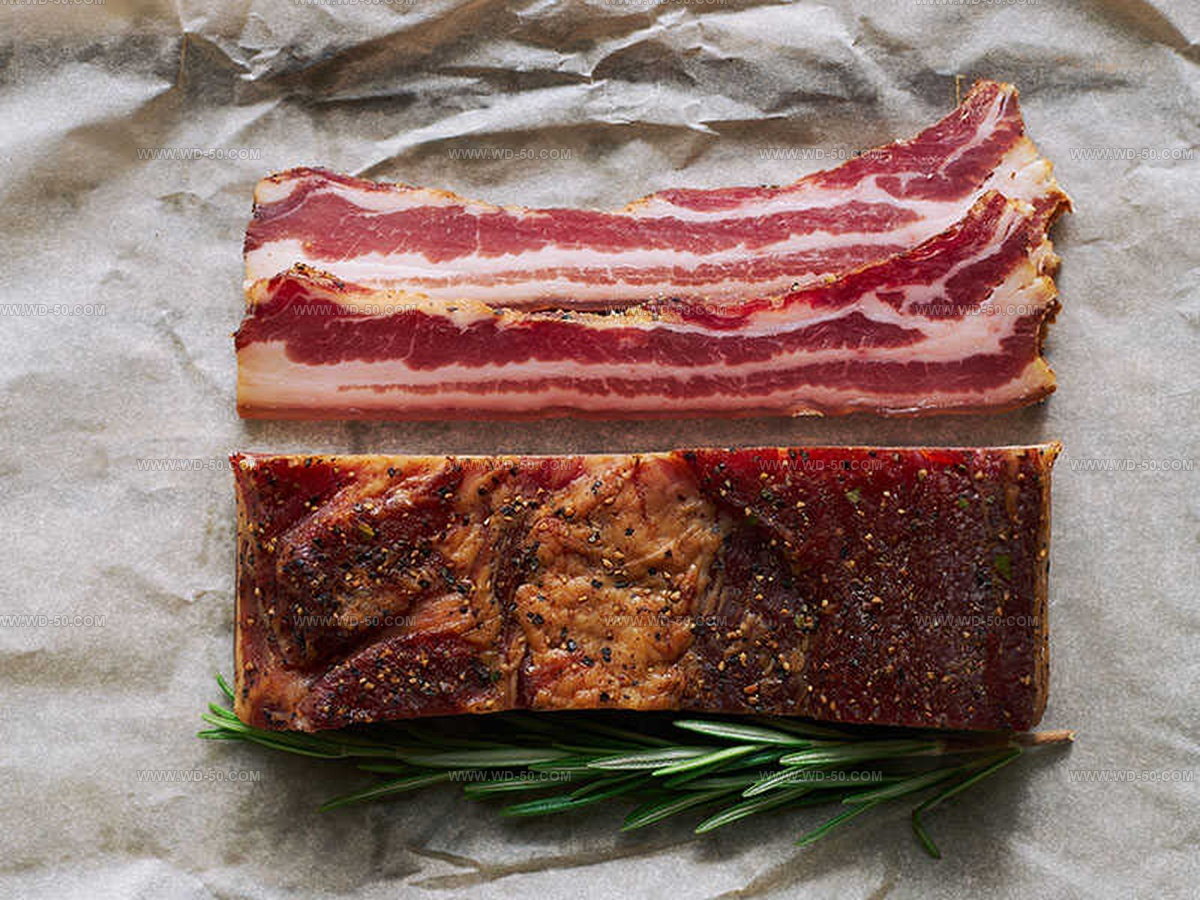
Pancetta brings a rich flavor as Italy's famous bacon, crafted from the belly of pigs. This savory meat comes in raw, cured, or smoked forms for your cooking needs.
Salt enhances its taste when paired with pasta dishes, making it a go-to ingredient in authentic Italian cooking. Restaurants across the world feature this delicious meat in their signature recipes, from carbonara to wrapped vegetables.
Slab Bacon
Slab bacon gets its nickname "streaky bacon" from the unique patterns that appear when sliced. Many bacon lovers prefer starting with large chunks of pork that create these meaty slabs.
One major advantage is the freedom to customize your cuts - go super thin for crispy results or extra thick for hearty dishes. This type works perfectly when added to rich soups or savory stews where it adds tremendous flavor.
Turkey Bacon
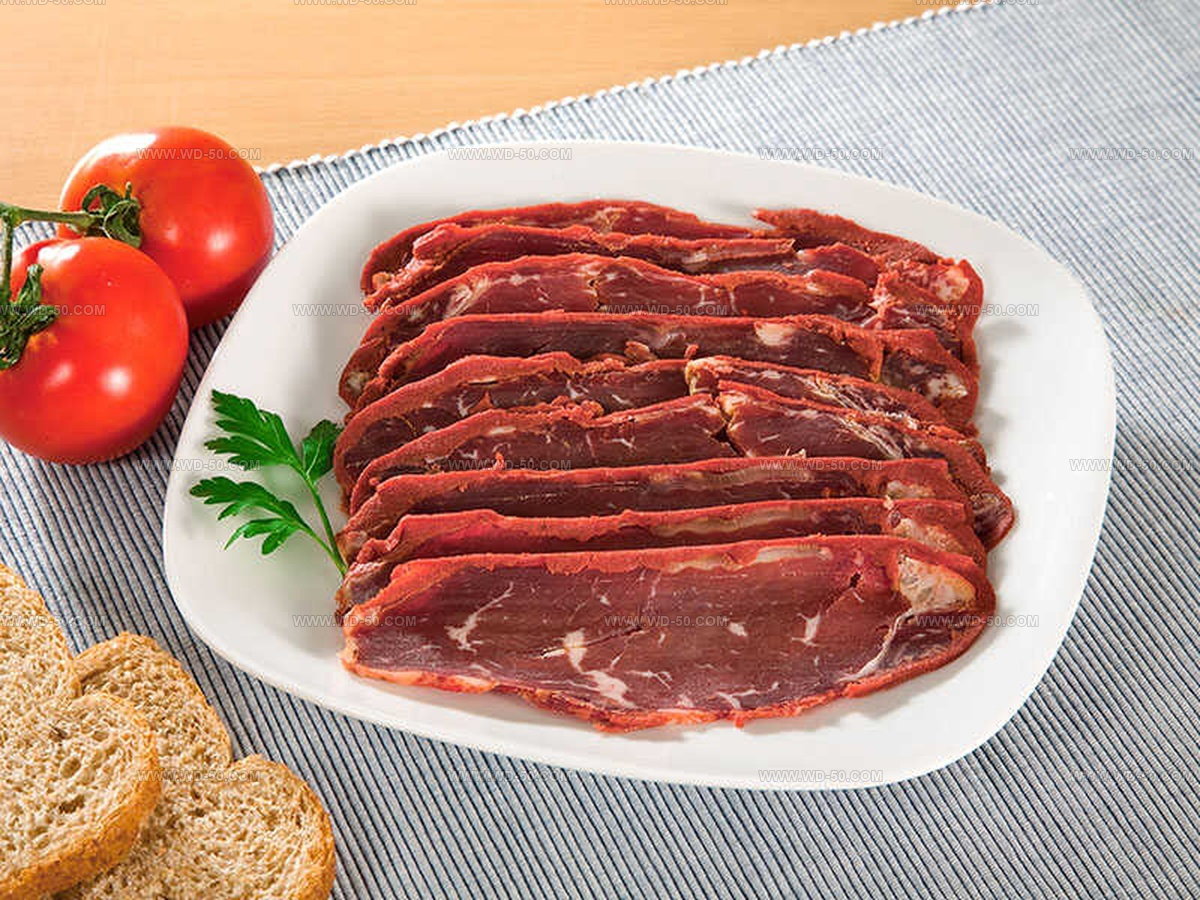
Turkey bacon offers a tasty alternative for people who avoid pork but still crave that familiar savory experience. Each strip goes through a similar smoking process as traditional bacon, giving it a delightful flavor profile many find irresistible.
The meat typically displays a pleasant pink hue - neither too light nor too intense. Many health-conscious eaters choose turkey bacon because it generally contains less fat while still delivering that wonderful crispy texture when cooked properly.
Duck Bacon
Duck bacon offers a tasty twist on traditional breakfast meats, made from cuts of duck breast instead of pork. Each thick slice delivers a distinctive flavor that many bacon lovers enjoy, while containing less fat than standard bacon options.
Most people find the appearance quite similar to regular pork bacon, making it an easy swap in favorite recipes. The rich taste makes it perfect for special weekend breakfasts or adding something different to your usual meals without straying too far from familiar flavors.
Got Questions? We’ve Got Solutions
1. Is Canadian bacon healthier than ham?
Canadian bacon tends to be lower in calories and fat compared to ham. It's leaner with fewer calories per serving, making it a better option if you're watching your weight or fat intake.
2. Can I substitute Canadian bacon for ham in recipes?
Yes! Canadian bacon works well in place of ham in most recipes. Just remember it has a milder flavor and different texture, so it might change the overall taste of your dish slightly.
3. Why is Canadian bacon round while ham is typically sold in larger cuts?
Canadian bacon comes from the lean eye of the pork loin and is cut into medallions, resulting in its round shape. Ham comes from the pig's hind leg and is usually sold in larger portions or slices from those bigger cuts.
4. How long do Canadian bacon and ham last in the refrigerator?
Canadian bacon typically lasts 3-4 days in the refrigerator after opening, while ham can last 5-7 days. Both can be frozen for up to 2 months, though texture might change slightly upon thawing.
Michael Reynolds
Founder, Head Recipe Developer & Cuisine Specialist
Expertise
Recipe Development and Testing, Modern American and European Cuisines, Food Styling and Photography, Culinary Education and Workshops
Education
Johnson & Wales University
Auguste Escoffier School of Culinary Arts
Michael Reynolds is the founder and head recipe creator at wd-50.com. With over 15 years of experience in the kitchen, he’s spent time working in top restaurants and now focuses on making great food easy for everyone at home.
Michael studied culinary arts at Johnson & Wales University and later trained in pastry at the Auguste Escoffier School. He knows his way around both savory meals and sweet treats.
At wd-50.com, his goal is to help you feel confident in the kitchen, whether you’re trying something new or cooking a favorite dish. He loves using fresh ingredients and simple steps that still bring out big flavors.